Minnesota DWI / DUI Defense Attorney
Charged with DWI in Minnesota? Get experienced, focused defense before you make decisions that can affect your license, record, and future.

Minnesota DWI Defense Focused on What Happens Next
When you are accused of impaired driving, the immediate questions are usually practical: Can I drive? What happens to my license? Is this a misdemeanor or something more serious? Should I take a breath test? Do I need to go to court? Andrew Davis handles DWI cases throughout Minnesota and explains those issues in plain language before developing a defense strategy around the stop, the testing, your history, and the evidence in your case.
Serving Carver, Ramsey, Hennepin, and Every Minnesota County

Andrew represents DWI clients in Carver County, Hennepin County, Ramsey County, and courts throughout Minnesota. Local procedures can vary, but the same core issues matter in every case: the legality of the stop, what the officer observed, what testing was requested or completed, your prior impaired-driving history, and what deadlines may affect your driving privileges.
What’s on the Line in a Minnesota DWI Case
A DWI is more than just a traffic ticket. Depending on your record and the facts of the case, a conviction can result in:
- Suspension or revocation of your driver’s license, including a CDL
- Jail or prison time, especially for repeat or felony-level offenses
- Significant fines and surcharges
- Vehicle forfeiture in certain cases
- Ignition interlock requirements at your expense
- Long probation terms with strict conditions
- Increased insurance premiums and long-term financial impact
- A permanent criminal record that can affect jobs, housing, and education
What Counts as a DWI in Minnesota?
Minnesota DWI law covers more than a single breath-test number. A person can be charged for driving, operating, or being in physical control of a motor vehicle while under the influence of alcohol, certain drugs or intoxicating substances, cannabis or THC, or a combination of substances. A separate alcohol-concentration offense applies when the person's alcohol concentration is .08 or more at the time of driving or as measured within two hours. Commercial motor vehicles have a lower .04 alcohol-concentration threshold. Andrew reviews which theory the state is actually using and whether the evidence supports it.
First DWI in Minnesota: What Does a .08 or .16 Test Result Mean?
For many drivers with no qualified prior impaired-driving incidents and no other aggravating factor, a standard DWI is charged as fourth-degree DWI, a misdemeanor. An alcohol concentration of .16 or more is an aggravating factor. That means a first-time DWI involving a .16-or-higher alcohol concentration can be charged more seriously than a first-time case without an aggravating factor. Andrew looks at the exact test result, timing, testing procedure, prior history, and other facts before advising a client about the likely charge and defense options.
Should I Take or Refuse a Breath Test in Minnesota?
There is no useful one-size-fits-all answer to every testing question. When an evidentiary breath test is requested under Minnesota's implied-consent law, the driver must be advised that Minnesota law requires the test, that refusing a breath test is a crime, and that the driver has a limited right to consult with an attorney before testing so long as the consultation does not unreasonably delay the test. Blood and urine testing are treated differently and generally require a search warrant or a recognized exception. Andrew's point is that testing decisions are highly fact-dependent, which is why getting legal advice as early as possible matters.
How Long Do I Have to Challenge a DWI License Revocation?
The driver's-license side of a Minnesota DWI case can move separately from the criminal charge. When a person receives a notice and order of revocation or disqualification under Minnesota's implied-consent law, the deadline to petition the court for judicial review is generally 60 days from receipt of that notice. Because that deadline can expire while the criminal case is still pending, Andrew identifies license issues early rather than waiting for the criminal case to resolve.
Why the Details of a DWI Case Matter
Andrew emphasizes that DWI advice is conditional because small factual differences can change the charge, the license consequences, and the defense strategy. He looks at:
- The alcohol concentration and when the test was taken
- Prior DWI convictions and other qualified impaired-driving incidents
- Whether a qualifying child passenger was in the vehicle
- Whether drugs, cannabis, firearms, or other evidence were present
- What the driver said during the stop, arrest, and testing process
- Whether the officer had a lawful basis for the stop and arrest
- Field sobriety testing, body-camera footage, squad video, and chemical-test records
- Immediate driver's-license deadlines and whether judicial review should be requested
First-Time, Gross Misdemeanor, and Felony DWI in Minnesota
A fourth-degree DWI is a misdemeanor. A DWI with one aggravating factor is generally third-degree DWI, a gross misdemeanor. Aggravating factors include a qualified prior impaired-driving incident within the previous ten years, an alcohol concentration of .16 or more, or having a qualifying child passenger in the vehicle. First-degree DWI is a felony when the statutory prior-history requirements are met, including three or more qualified prior impaired-driving incidents within the applicable ten-year period or certain prior felony DWI or vehicular-crime convictions. The degree of charge depends on the full history and facts, not simply whether the current test result is over .08.
How Andrew Handles Your DWI Case
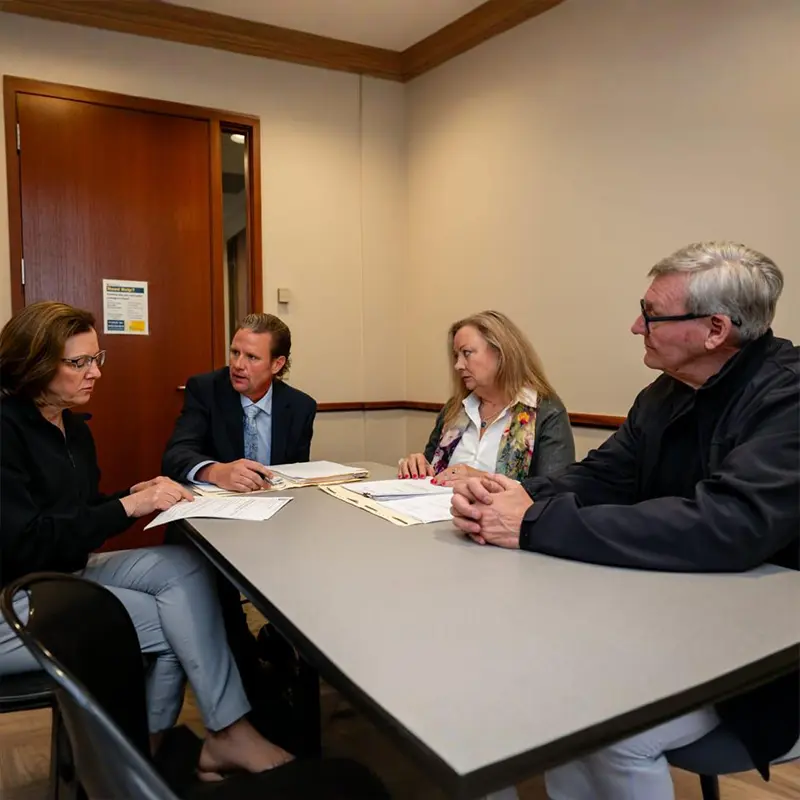
Andrew gets involved early because the criminal case and driver's-license consequences can begin moving immediately. His process includes:
- Immediate Case Review – Andrew listens to what happened, reviews prior history, identifies the likely degree of charge, and flags driver's-license deadlines.
- Preserving and Reviewing Evidence – Police reports, squad and body-camera video, field sobriety testing, breath or laboratory records, and other evidence are gathered and reviewed.
- Challenging the Stop, Arrest, and Testing – Andrew examines whether law enforcement had a lawful basis to stop and arrest you and whether testing and procedures were properly handled.
- Protecting the License – When applicable, Andrew evaluates the separate implied-consent revocation and the deadline for requesting judicial review.
- Building the Case Strategy – The evidence, your goals, your history, and the potential consequences determine whether the best path is litigation, negotiation, or trial.
From Andrew Davis
Understand the charge
Published:
Common questions
Minnesota DWI / DUI FAQ
Will I go to jail if I am charged with DWI in Minnesota?
Not necessarily. Many people spend a night in jail after arrest, but that may be the only time behind bars depending on the facts of the case, your prior record, and how the case is handled. Some cases resolve with probation, treatment, or reduced charges instead of lengthy jail time. An experienced DWI defense lawyer can help you understand realistic outcomes for your situation.
What should I do if I am pulled over for suspected DWI in Minnesota?
Remain calm and polite, provide required identification and documents, and avoid volunteering explanations or admissions about alcohol or drug use. If an evidentiary breath test is later requested, Minnesota law provides a limited right to consult with an attorney before testing so long as the consultation does not unreasonably delay the test.
If I blew .08 or higher, should I just plead guilty?
No. A test result at or above .08 does not automatically mean you will be convicted. The traffic stop, field sobriety tests, testing equipment, and procedures all matter. There may be legal defenses, issues with the test, or opportunities to reduce the charges or penalties. Always talk to a DWI defense lawyer before pleading guilty.
What is Minnesota’s implied consent law?
Minnesota's implied-consent law allows chemical testing in specified DWI circumstances. When an evidentiary breath test is requested, the driver must be advised that the test is required, that refusing the breath test is a crime, and that the driver has a limited right to consult with an attorney before testing. Blood and urine tests are treated differently and generally require a search warrant or a recognized exception to the warrant requirement.
Do you handle DWI cases involving drugs or prescription medications?
Yes. You can be charged with DWI if illegal drugs, prescription medications, or even some over-the-counter substances affect your ability to drive safely. Drug-related DWIs rely on blood or urine testing and officer observations, which can be challenged. Andrew defends cases involving both alcohol and drugs.
What should I do right after a DWI arrest in Minnesota?
Avoid volunteering additional information about drinking, drugs, or what happened. Preserve any paperwork you were given, write down what you remember about the stop and testing, and contact a DWI attorney promptly. The criminal case and driver's-license process can have separate deadlines, so early review matters.
What does a .16 alcohol concentration mean in a Minnesota DWI case?
An alcohol concentration of .16 or more is an aggravating factor under Minnesota DWI law. In a first-time case with no other aggravating factor, that can increase the charge from a fourth-degree misdemeanor DWI to a third-degree gross misdemeanor DWI. The exact charge still depends on the person's prior history and all other facts.
Should I take the breath test after a DWI arrest in Minnesota?
The answer depends on the situation, which is why legal advice before the evidentiary test can be important. Minnesota's breath-test advisory states that the test is required, that refusing a breath test is a crime, and that the driver has a limited right to consult with an attorney before testing as long as the consultation does not unreasonably delay the test.
How long do I have to challenge a DWI license revocation in Minnesota?
A person generally has 60 days after receiving a notice and order of revocation or disqualification under Minnesota's implied-consent law to petition the district court for judicial review. The license matter can proceed separately from the criminal case, so waiting for the criminal case to finish can be a mistake.
What makes a DWI a felony in Minnesota?
First-degree DWI is a felony when Minnesota's statutory prior-history requirements are met. This can include committing a new DWI within ten years of the first of three or more qualified prior impaired-driving incidents, a prior felony DWI conviction, or certain qualifying prior felony vehicular-crime convictions.
Is DUI the same as DWI in Minnesota?
People often use DUI and DWI interchangeably, but Minnesota's impaired-driving statute uses the term DWI, meaning driving while impaired. Searches for 'Minnesota DUI' usually refer to the same general type of impaired-driving case.
Minnesota communities